What's Happening With Home Prices?
The world of real estate is abuzz with talk of home prices, and anyone in the business knows that a single headline can spark a thousand conversations. Recently, you might have come across news suggesting a drop in the "median" asking price of homes. This might give the impression that home prices are generally falling. However, this isn't the complete picture. It's essential to understand the nuances behind these figures to truly grasp how home values are evolving in today's market.
Understanding Median Prices vs. Home Values
Let's start by unraveling what the term "median price" actually means. Picture all homes for sale lined up from the least expensive to the most costly. The median price is simply the price of the house smack dab in the middle. This figure can shift depending on the types of homes being transacted.
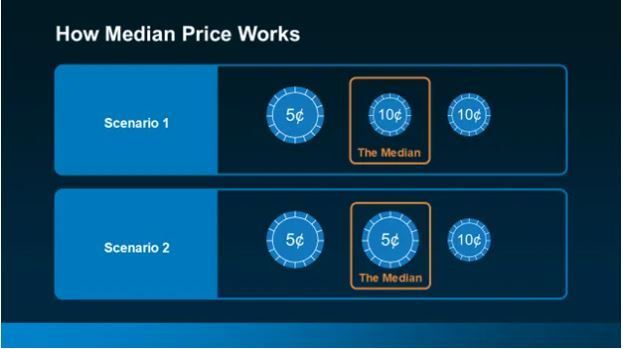
Imagine you're holding three coins—a nickel and two dimes. When you line them up by value, the median is 10 cents. Swap one dime for a nickel, and suddenly, the median is five cents. Yet, the actual value of each coin remains unchanged. Similarly, more transactions of smaller, less expensive homes can lower the median price without impacting the intrinsic value of individual homes.
In essence, a dip in the median doesn't necessarily signify a decrease in actual home values. The composition of homes sold—more affordable ones in this case—can skew this statistic, masking the reality that many homes are indeed appreciating in value.
Price Per Square Foot: A More Accurate Measure
When we talk about home value, a more precise metric emerges in the form of price per square foot. This measurement gives you insight into how much house you're getting for your money, factoring in the size of the property.
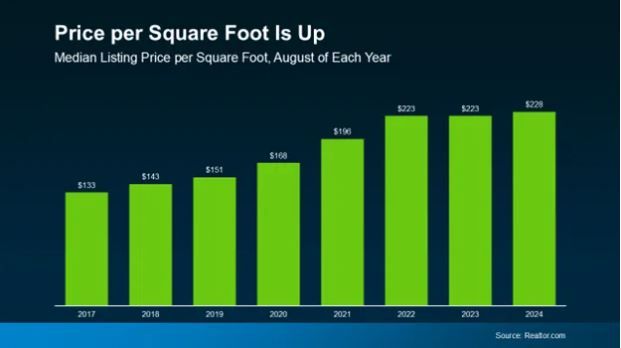
Recent statistics reveal that nationally, price per square foot continues to climb, indicating that the value of space within homes is on the rise. Ralph McLaughlin, a Senior Economist at Realtor.com, highlights,
"When adjusting for a shift towards smaller homes, the typical home listed has actually increased in price compared to last year."
This perspective sheds light on the fact that while smaller homes may pull down the median price, the overall value of homes continues to grow, offering investors and buyers a more realistic gauge of the market's health.
What This Means for You
The Federal Housing Finance Agency (FHFA) also corroborates the robustness of home values, stating,
"Nationally, the U.S. housing market has experienced positive annual appreciation each quarter since the start of 2012."
This data underscores the importance of looking beyond sensational headlines. Whether you're in the market to buy or sell a home, or merely keeping an eye on trends, focusing on dependable metrics like price per square foot provides a clearer picture of the market's trajectory.
Navigating the Real Estate Market
In the intricate realm of real estate, numbers don't always tell the full story at a glance. While median prices can offer a snapshot, they often lack the context needed for a complete understanding of market dynamics. By shifting our focus to the price per square foot, we gain a more accurate depiction of value, allowing for more informed decision-making.
These insights can empower you to make strategic choices within the real estate domain, ensuring that you're not swayed by surface-level interpretations of complex data.
Conclusion
To encapsulate, while median prices provide a quick overview, they don't paint the entire picture of real estate values. For a truer sense of what's occurring with home prices, concentrating on the price per square foot is essential. This approach helps you grasp the real value, maximizing what you get for your financial investment.
These concepts are pivotal for anyone involved in real estate, be it as a buyer, seller, or investor, allowing for decisions grounded in comprehensive data analysis rather than misleading simplifications.